Colorful Mandala Embroidery Design Review
As a professional embroidery designer who constantly evaluates digital assets for both client work and personal shop inventory, I approach every new machine embroidery design with a critical eye. It is not enough for a file to simply look pretty on a screen; it must perform under the needle. When I first loaded this Colorful Mandala Embroidery Design into my software, I was immediately struck by its visual balance. However, as someone who produces custom apparel and handmade products for sale, my primary concern was how those 29,000 stitches would translate onto physical fabric within the constraints of a 4x4 hoop.
This review breaks down my practical experience testing this design, focusing on stitch integrity, commercial viability, and real-world application for fellow makers and Etsy sellers.
First Impressions and Digital Assessment
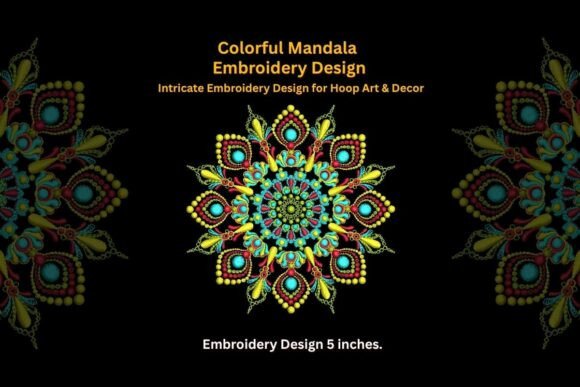
The mood of this Colorful Mandala Embroidery Design is undeniably vibrant yet structured. Mandalas are inherently symmetrical, which can sometimes lead to a robotic feel in digitizing, but this embroidery file maintains an organic flow. The four specified thread colors are distinct without being chaotic, suggesting a palette that could easily be swapped to match seasonal trends or specific brand aesthetics.
From a technical standpoint, seeing over 29,000 stitches designated for a standard 4x4 hoop size signals high density. This is a crucial data point for any craft business owner. High stitch counts in small areas mean longer run times and a heavier final product. While this contributes to a premium, lush texture, it also demands respect during the stabilization phase. I noted that the digitizer likely utilized a mix of fill stitch and satin stitch elements to achieve this level of detail without causing excessive thread breaks, but verification on scrap fabric is non-negotiable before committing to a finished product.
Real-World Test: The Custom Tote Bag Project
To truly evaluate this design, I moved beyond the software preview and applied it to a real-life scenario relevant to many small shop product lines: a custom canvas tote bag. Totes are a staple for commercial embroidery because they offer a stable, flat surface ideal for intricate mandalas.
I chose a medium-weight natural canvas to test how the Colorful Mandala Embroidery Design handles fabric texture. The stitching process revealed several practical insights:
- Registration Accuracy: With four color changes and high density, alignment is paramount. On my test run, the registration held up beautifully, indicating clean digitizing paths. This is vital for maintaining customer trust; misaligned layers ruin the perceived value of a personalized gift.
- Stitch Density Management: The 29,000 stitches created a substantial embroidered patch-like effect on the canvas. While this feels luxurious, I had to ensure my stabilizer was robust enough to prevent puckering. A tear-away backing alone was insufficient; I required a cut-away stabilizer to support the weight of the design long-term.
- Visual Impact: Once hooped and finished, the mandala popped against the natural canvas. The vibrancy of the four colors transformed a plain utility item into a boutique-worthy accessory. For an Etsy seller, this level of visual complexity justifies a higher price point compared to simpler, lower-stitch-count designs.
Best Applications for Commercial and Personal Use
Based on my testing, this Colorful Mandala Embroidery Design excels in specific categories. If you are curating a collection of design assets or planning your next holiday lineup, consider these optimal uses:
- Home Decor and Nursery Items: The intricate nature of the mandala makes it perfect for pillow covers or wall hangings. The density provides a tactile quality that customers love in handmade home goods.
- Boutique Apparel Accents: While a full-center chest placement might be too heavy for some garments, this design works exceptionally well as a pocket-area accent on denim jackets or as a centered motif on heavier sweatshirts. Always verify the garment weight can support 29,000 stitches.
- Holiday and Wedding Gifts: Mandalas carry a universal appeal that transcends specific holidays, making this a versatile asset for year-round sales. It serves as a stunning centerpiece for personalized gifts like keepsake boxes or framed textile art.
- Digital Product Previews: For those selling digital embroidery files, this design photographs beautifully. The clear color separation makes it easy to create accurate printable mockups that set realistic buyer expectations.
Critical Considerations and Limitations
No design is universal, and professional judgment requires acknowledging where a file might fail. Despite its beauty, there are scenarios where I would advise caution when using this Colorful Mandala Embroidery Design.
Avoid Lightweight and Stretchy Fabrics: Placing 29,000 stitches on thin cotton voile, performance wear, or lightweight jersey is a recipe for disaster. The sheer volume of thread will outweigh the fabric, causing severe distortion and potential tearing. Reserve this design for stable, medium-to-heavyweight substrates.
Curved Surfaces and Caps: While the 4x4 hoop size technically fits many cap frames, the density and symmetry of a mandala make it unforgiving on curved surfaces. Any slight shift in hooping becomes glaringly obvious in a circular geometric pattern. Unless you are highly experienced with cap framing, stick to flat goods.
Washability Concerns: High-density embroidery creates a stiff area on fabric. For items requiring frequent hot washing, such as kitchen towels or baby bibs, test the durability first. The transition from unembroidered fabric to the dense mandala center can become a stress point over time. For baby embroidery, always ensure the back of the design is smooth or covered to protect sensitive skin.
Professional Designer Notes for Success
If you decide to add this Colorful Mandala Embroidery Design to your production queue, follow these best practices to ensure professional results:
- Always Test Stitch: Never run this design directly on a final product without a test sew-out. Check for thread tension issues and color blending in real life versus on screen.
- Evaluate Contrast: Test the design on both light and dark backgrounds. Vibrant colors may need adjustment if you switch from white canvas to navy denim to maintain visibility.
- Verify Licensing: Before listing any finished product or reselling the digital embroidery file, confirm the specific license terms provided with the purchase. Protecting your business means respecting intellectual property.
- Optimize Stabilization: Given the stitch count, err on the side of more stabilization rather than less. Floating techniques may not provide enough support; hooping the stabilizer with the fabric is often safer for dense mandalas.
- Mockup Realism: When creating listings, avoid overly smoothed digital renders. Show the actual stitch texture in your photos. Customers buying custom apparel or handmade decor want to see the reality of the embroidery, not just a vector approximation.
Ultimately, this Colorful Mandala Embroidery Design is a robust, visually striking asset for the serious maker. Its complexity demands skill and proper preparation, but the payoff is a high-value product that stands out in a crowded marketplace. Whether you are embellishing a signature tote bag line or creating a unique personalized gift, treating this design with the technical respect it requires will yield professional, sellable results.