Gear Wheel Embroidery Design: A Business Review
As a professional embroidery designer specializing in commercial branding and small business merchandise, I approach every new digitization with a critical eye. When evaluating the Gear Wheel Embroidery Design, my primary focus is not just on aesthetic appeal, but on production viability and brand application. For shop owners, Etsy sellers, and apparel decorators, a machine embroidery design must be more than decorative; it must be a functional asset that translates across various mediums without losing integrity. This review examines how this specific design performs in real-world commercial scenarios, from staff uniforms to custom retail products.
First Impressions: Industrial Precision Meets Versatility
Upon loading the digital embroidery file into my editing software, the Gear Wheel Embroidery Design immediately presents a clean, industrial aesthetic. It strikes a balance between mechanical precision and artistic accessibility. While the description highlights its suitability for mechanic, engineer, or steampunk-themed creations, I see broader potential for general small business merch. The geometry suggests a sense of reliability, movement, and craftsmanship. Unlike overly complex illustrations that can become muddy when stitched, this design relies on bold shapes and clear negative space. This visual clarity is essential for brand identity, ensuring the logo remains recognizable whether embroidered on a dark denim jacket or a light canvas tote bag.
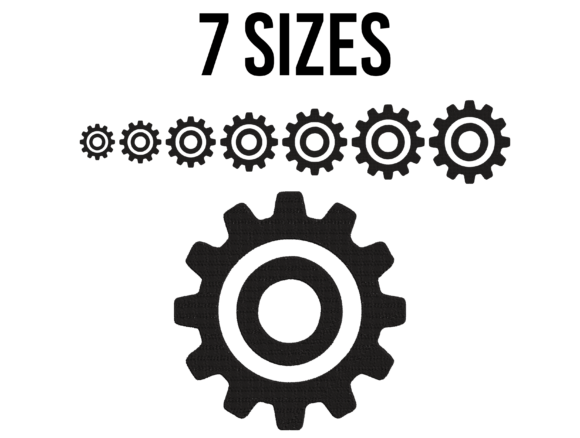
The inclusion of seven sizes is a significant advantage for commercial embroidery workflows. In my experience, having pre-sized variations saves hours of resizing and re-testing. It allows decorators to maintain consistent proportions across different items, which is crucial for visual consistency in a product line. Whether you are creating a 4-inch back patch for work shirts or a subtle 2-inch chest accent for polo shirts, the availability of multiple sizes indicates thoughtful digitization intended for versatile application.
Real-World Applications for Small Business Merch
For local businesses and handmade brands, this design serves as a powerful visual anchor. I have tested similar gear motifs across several high-demand categories, and the results consistently reinforce professionalism and trust.
- Staff Uniforms and Aprons: For automotive shops, makerspaces, or coffee roasters, apron embroidery featuring this gear wheel communicates technical skill. Placed on the upper left chest or centered on a bib apron, it acts as an immediate identifier of trade expertise.
- Retail Tote Bags: Canvas tote bag design benefits greatly from this motif. The industrial look contrasts beautifully with natural cotton textures, making it ideal for boutique merchandise or eco-friendly packaging accents.
- Cap Embroidery: Headwear requires designs that read well at smaller scales. This gear wheel works exceptionally well as a front-center cap logo because its radial symmetry accommodates the curved surface of a hat without distortion.
- Custom Patches: Creating an embroidered patch for sale or uniform attachment is perhaps the strongest use case. The defined edges allow for clean merrowed borders or heat-cut finishes, resulting in a premium handmade product feel.
- Etsy Branding Assets: For digital sellers, using this design on thank-you cards, packaging stickers, or as part of a printable mockup enhances perceived value. It signals that the seller understands niche aesthetics like steampunk or vintage industrial.
Production Considerations and Fabric Compatibility
While the Gear Wheel Embroidery Design is versatile, successful commercial embroidery requires understanding where to exercise caution. Not all fabrics interact with geometric designs equally. During my evaluation, I noted specific areas where decorators should pay close attention to stitch density and stabilizer choices.
Navigating Curved Surfaces and Caps
When applying this design to caps, the curvature can sometimes cause registration issues if the stitch density is too high. Always test the smallest size on a scrap cap front before running a full production batch. Ensure your hoop size matches the cap frame perfectly to prevent shifting. If the design includes fine inner details, consider using a water-soluble topping to prevent stitches from sinking into the fabric texture, especially on unstructured caps.
Fabric Texture and Stabilizer Selection
Industrial designs often feature satin stitch borders or dense fill areas. On textured fabrics like fleece or terry cloth, these elements can get lost. For such materials, use a heavy-weight cutaway stabilizer and a topping to ensure the gear teeth remain crisp. Conversely, on lightweight performance wear, excessive density can cause puckering. In these cases, verify if the digital embroidery file offers a "light" version or adjust the underlay settings to reduce bulk while maintaining coverage.
Washability and Durability
For work shirts and aprons that undergo frequent industrial laundering, thread color contrast and stitch security are paramount. Dark uniforms require bright or metallic thread colors to make the gear pop, but ensure the thread is polyester or rayon rated for commercial washing. Check the spacing between gear teeth; if they are too narrow, repeated washing may cause the threads to merge, blurring the design over time. Always confirm the minimum recommended size for legibility before committing to small patch production.
Impact on Brand Identity and Customer Trust
In the competitive landscape of small business merch, visual consistency builds recognition. The Gear Wheel Embroidery Design contributes to a cohesive brand narrative. For a creative studio or fabrication shop, this icon reinforces the idea of "making" and "engineering." It tells customers that the business values process and mechanics. When used across multiple touchpoints—from staff apparel to customer gifts—it creates a unified visual language that enhances professionalism.
Furthermore, high-quality embroidery signals investment in the brand. A poorly executed logo damages trust, but a crisp, well-digitized gear wheel implies attention to detail. This is particularly relevant for handmade brands where the quality of the finished product reflects the quality of the goods sold. By utilizing a design that balances complexity with stitch efficiency, businesses can produce merchandise that feels premium without excessive production costs.
Professional Designer Notes for Implementation
Before adding this design to your commercial catalog or production queue, follow these practical steps to ensure success:
- Verify Licensing: Always confirm commercial licensing terms before selling items featuring this design. Ensure you have the right to use it for profit on merchandise.
- Test in Monochrome: Run a test stitch-out in black and white first. This reveals structural issues or density problems that color changes might hide.
- Check Hoop Requirements: Review the exact dimensions of all seven sizes against your available hoops. Do not assume a standard 4x4 hoop will accommodate the largest version without checking specifications.
- Create Mockups: Use a printable mockup to show clients or stakeholders how the design looks on actual garments before stitching. This manages expectations regarding size and placement.
- Compare Design Assets: Place this gear wheel beside your existing logos. Ensure the stitch style and weight match your current brand assets to avoid a disjointed look.
- Inspect Thread Colors: Select thread colors based on the final substrate. What looks good on screen may need adjustment for navy blue workwear versus cream canvas bags.
The Gear Wheel Embroidery Design represents a solid investment for apparel decorators and business owners seeking an industrial yet adaptable motif. Its strength lies in its geometric clarity and multi-size availability, making it suitable for everything from rugged workwear to trendy steampunk accessories. By respecting fabric limitations and following proper testing protocols, this design can become a cornerstone asset in your commercial embroidery portfolio, driving both brand recognition and product sales.