Reviewing Classic Winter Christmas Tree Embroidery
As an embroidery designer preparing my shop for the holiday rush, I am constantly evaluating new designs to ensure they meet the high standards my customers expect. When I first loaded the Classic Winter Christmas Tree Embroidery into my software, I was looking for more than just a festive motif; I was searching for a versatile asset that could drive sales across multiple product categories. The description promises a timeless and festive aesthetic, capturing the classic charm of the season with colorful adornments. After running several test stitches and planning potential product lines, here is my professional assessment of how this machine embroidery design performs in a real-world commercial setting.
First Impressions and Emotional Resonance
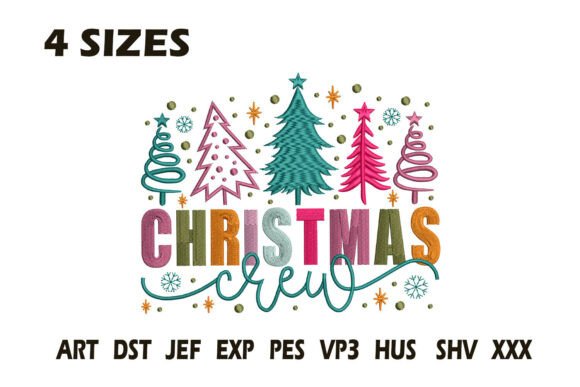
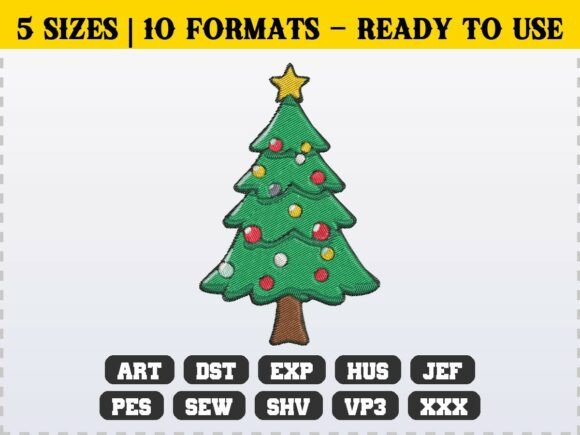
The immediate mood of this design is undeniably nostalgic yet crisp. It strikes a difficult balance between traditional elegance and playful warmth, which is essential for modern personalized gift products. The tree silhouette feels grounded and substantial, avoiding the spindly or overly cartoonish look that can sometimes cheapen a handmade product. The colorful ornaments mentioned in the product details provide necessary pops of contrast against evergreen thread, creating visual depth without overwhelming the fabric.
For an Etsy seller or small shop owner, this emotional appeal is critical. Customers are not just buying stitches; they are buying a feeling of home and heritage. This design evokes memories of family gatherings and quiet winter mornings, making it an excellent candidate for items intended to become heirlooms. It feels sweet enough for nursery decor but sophisticated enough for adult home goods, giving it a broad demographic reach that is vital for maximizing return on investment for a digital embroidery file.
Versatility Across Product Categories
In testing the Classic Winter Christmas Tree Embroidery, I found its true strength lies in its adaptability. A successful custom embroidery business relies on designs that can be repurposed across various blanks. Here is how I envision this design performing across key categories:
- Baby Embroidery: The design’s gentle proportions make it ideal for baby blankets and nursery wall hangings. When stitched on minky or cotton flannel, the tree becomes a soft, comforting focal point. It avoids sharp edges or aggressive fill patterns, ensuring safety and comfort for infant items.
- Kitchen and Dining: As an embroidered towel or apron centerpiece, the tree holds up beautifully. The density provides enough coverage to stand out against terry cloth or linen without causing puckering, provided the correct stabilization is used.
- Wedding and Keepsakes: For couples marrying during the holidays, this tree serves as a perfect date marker or monogram frame on ornament keepsakes or pillow cover gifts. It bridges the gap between seasonal decor and permanent wedding memorabilia.
- Tote Bags and Apparel: On canvas totes or sweatshirts, the design reads clearly from a distance. The colorful adornments act as natural highlights that draw the eye, making finished products photograph exceptionally well for social media marketing.
Navigating Fabric Challenges and Technical Limits
While the Classic Winter Christmas Tree Embroidery is versatile, no design is immune to technical limitations. During my sampling process, I identified specific areas where caution is required to maintain professional quality. Understanding these constraints prevents wasted materials and customer dissatisfaction.
Texture and Stability Concerns
If you plan to use this on textured fabrics like boucle or thick terry cloth for an embroidered towel, you must account for the fabric texture swallowing fine details. The colorful ornaments may lose definition if the pile is too high. Always use a water-soluble topping to keep stitches visible. Conversely, on stretchy baby clothes or knitwear, the stitch density becomes a primary concern. If the tree has heavy fill areas, it can cause the garment to sag or distort. In these cases, consider resizing the design down or using a lighter stabilizer combination to maintain the fabric's drape.
Color Contrast and Dark Fabrics
The design relies heavily on color interaction. On dark fabrics, the green foliage may disappear unless you adjust thread colors to a brighter lime or add an underlay base. I strongly recommend creating both light and dark fabric mockups before listing any small shop product. Additionally, verify that the colorful adornments have sufficient contrast against the tree body; otherwise, the design will look muddy in product photography and in person.
The Business Impact: Value and Customer Trust
From a business perspective, the Classic Winter Christmas Tree Embroidery directly influences perceived value. High-quality stitching on a recognizable, beloved symbol signals competence to the buyer. When a customer sees clean registration and vibrant colors in your listing photos, their trust in your brand increases. This design lends itself to premium pricing because it looks intentional and polished rather than generic.
Furthermore, this design enhances buyer engagement through customization potential. Because the tree acts as a central anchor, it leaves ample negative space for adding names, dates, or short messages. This transforms a standard seasonal item into a deeply personal artifact. For commercial embroidery businesses, offering this level of personalization justifies higher margins and encourages repeat business from customers seeking meaningful gifts year after year.
Essential Pre-Production Checklist
Before accepting orders featuring this design, every maker should complete a rigorous testing protocol. Do not assume the embroidery file will stitch perfectly on every machine or fabric type straight out of the box. Follow these practical steps to ensure success:
- Test on Scrap Fabric: Never stitch directly on a sellable blank first. Use scraps of the exact material you intend to sell to check for tension issues or registration errors.
- Verify Hoop Size: Confirm the design dimensions fit comfortably within your hoop with adequate margin for stabilization. Check the specific file metadata, as sizes vary between digitizers.
- Assess Stabilizer Needs: Match your backing to the fabric weight. Cut-away for knits and baby items, tear-away for woven towels, and adhesive for difficult-to-hoop items.
- Check Small Details: Inspect the smallest ornaments and branch tips after stitching. If they are lost or fraying, edit the file or resize before production.
- Review Licensing: Crucially, confirm the commercial licensing terms included with your purchase. Ensure you are legally cleared to sell finished products or modified versions of this digital embroidery file.
- Create Printable Mockups: Use software to generate realistic previews for your listings. This helps customers visualize the final result and reduces pre-sale questions.
Final Thoughts for Makers
The Classic Winter Christmas Tree Embroidery represents a solid investment for holiday inventory planning. Its blend of traditional charm and structural versatility makes it a reliable workhorse for personalized gifts ranging from blanket embroidery to custom apparel. By respecting the technical requirements of different fabrics and leveraging the design's emotional connection, makers can create products that resonate deeply with buyers. Remember that the success of any handmade product lies not just in the design itself, but in the thoughtful execution and care you put into every stitch. Test thoroughly, customize creatively, and let this timeless tree bring festive joy to your customers' homes this season.