Witch Frog and Snail Embroidery Review
As a professional embroidery digitizer and product reviewer, I approach every new machine embroidery design with a critical eye toward production viability. It is not enough for a graphic to look charming on a screen; it must translate into clean stitches, maintain structural integrity on various fabrics, and ultimately result in a sellable or giftable item. When evaluating the Witch Frog and Snail Embroidery file, my primary focus was on its versatility across different hoop sizes and its suitability for both personal crafting and commercial embroidery ventures. This design captures a specific niche within Halloween embroidery that balances whimsy with wearability, making it a strong candidate for autumn inventory.
First Impressions and Design Personality
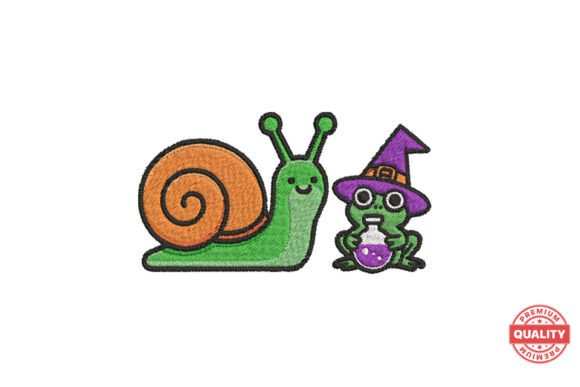
The immediate visual impact of this design is "wickedly cute," a descriptor that accurately reflects its market positioning. In the current landscape of Etsy seller trends and boutique merchandise, there is a distinct shift away from scary horror motifs toward cozy, cottage-core aesthetics. The Witch Frog and Snail Embroidery fits this mood perfectly. The composition suggests a narrative element—the interaction between the amphibian and the gastropod creates a focal point that draws the viewer in without being visually chaotic.
From a technical standpoint, the layout appears balanced for center-chest placement on custom apparel or as a standalone motif on home goods. The character proportions seem optimized for stitch clarity, avoiding overly spindly limbs that often cause registration issues in smaller formats. For a handmade product creator, this personality type builds immediate emotional connection, which is essential for driving sales in the personalized gift market. It feels less like a generic clip-art conversion and more like an intentional illustration adapted for needle and thread.
Real-World Application: Stitching a Trick-or-Treat Tote
To truly understand the value of this embroidery file, I mentally walked through a production scenario involving a canvas trick-or-treat bag. This is a high-stress application because canvas has a coarse weave, and tote bags are subject to significant wear. Using the 5.8-inch size option, the design provides ample coverage without overwhelming the bag's structure.
In this real-case scenario, the larger format allows the satin stitch elements defining the frog’s hat and the snail’s shell to remain open and legible. If I were using a smaller version on this textured fabric, the details might get lost in the canvas weave. The design’s density seems appropriate for stabilizing the bag fabric without creating a bulletproof patch effect that causes puckering. For small shop product lines, this specific use case demonstrates how the design can elevate a basic blank canvas tote into a premium holiday embroidery item. Customers are looking for unique alternatives to plastic buckets, and a professionally stitched textile bag featuring this charming duo meets that demand while showcasing craftsmanship.
Sizing Strategy and Fabric Considerations
The availability of five sizes, ranging from 3.8 inches to 5.8 inches, is a significant asset for craft business owners who need to adapt a single concept across multiple products. However, size selection requires careful judgment regarding fabric texture and garment construction.
- Sweatshirt Embroidery: The 4.8-inch or 5.8-inch sizes are ideal for adult crewnecks. Fleece backing tends to swallow stitches, so the larger format ensures the witch frog remains visible. Always use a cut-away stabilizer to prevent distortion during washing.
- Kitchen Towels and Tea Towels: The medium sizes work beautifully here. Linen and cotton terry cloth provide a stable base, but you must account for pile. A water-soluble topping is non-negotiable to keep the fill stitch areas from sinking into the towel loops.
- Baby Embroidery and Onesies: Utilize the 3.8-inch size for infant wear. Be cautious with stitch density on thin knits. If the design is too dense for a lightweight onesie, consider using it only on heavier bibs or nursery blankets instead to avoid fabric damage.
- Embroidered Patches: The smallest size is perfect for creating iron-on patches. Ensure you use a heavy-weight tear-away stabilizer and include a merrowed edge border if your machine supports it.
I advise against using the largest size on structured caps unless you have verified the design height fits within your specific cap frame’s safe zone. Curved surfaces can distort wide designs, potentially altering the expression of the characters.
Commercial Viability and Customer Trust
For those selling finished items or digital embroidery files, consistency is key to building brand recognition. The Witch Frog and Snail Embroidery offers a cohesive aesthetic that pairs well with other woodland or gothic-cute designs. When listing a tote bag design or sweatshirt online, the visual appeal of the stitch-out directly correlates to perceived value. A design that registers cleanly, with smooth satin columns and even fill patterns, signals professionalism to buyers.
This particular theme has high giftability. It appeals to a broad demographic, from children participating in Halloween festivities to adults who enjoy year-round alternative fashion. For an Etsy seller, this expands the potential customer base beyond seasonal shoppers. However, trust is built through accurate representation. Your printable mockup should reflect the actual stitch texture, not just a flat digital rendering. Buyers want to see how the thread colors interact and whether the design has dimension. Highlighting the specific textures in your product photography will reduce returns and increase buyer confidence.
Designer Notes for Successful Production
Before committing this design to a final embroidery project, adhere to these practical guidelines to ensure professional results:
- Test Stitch is Mandatory: Never run this design directly onto a client’s garment or expensive blank first. Test on scrap fabric that matches your target material’s weight and stretch. Check for registration shifts between color changes.
- Verify Thread Contrast: The charm of this design likely relies on distinct separation between the frog, snail, and accessories. Test your thread colors against both light and dark backgrounds. A dark green frog on a black sweatshirt may disappear; you might need to adjust to a lighter sage or add an outline.
- Stabilizer Selection: Match your stabilizer to the fabric, not just the design. Stretchy knits require cut-away; woven cottons can often use tear-away. Incorrect stabilization is the leading cause of poor stitch quality in custom apparel.
- Check Licensing Terms: Before selling the finished product or incorporating it into design assets for sale, confirm the specific license included with your purchase. Some designers restrict commercial use or require attribution.
- Inspect Small Details: At the 3.8-inch size, verify that facial features and tiny accents remain distinct. If they appear muddy in your test sew-out, the design may be better suited for the larger formats only.
Elevating Your Seasonal Inventory
The Witch Frog and Snail Embroidery represents a thoughtful intersection of trend awareness and technical execution. It avoids the pitfalls of overly complex artwork that fails in production, offering instead a reliable, charming motif suitable for a wide array of applications. Whether you are decorating a kitchen towel for a fall refresh, stitching a personalized gift for a young reader, or expanding your small shop product line for the holiday rush, this design serves as a versatile foundation.
Success in machine embroidery lies in understanding the relationship between the digital file and the physical substrate. By respecting the sizing constraints, choosing appropriate stabilization, and presenting the final work with honesty and skill, you transform a simple digital embroidery file into a tangible piece of art. This design has the potential to become a staple in your seasonal rotation, provided it is treated with the technical diligence that separates hobbyist output from professional-grade merchandise. Always prioritize the integrity of the stitch-out over speed, and your customers will recognize the difference in every handmade item you create.